Skip to content

Welcome to XLG SWISS. The company is currently being incorporated; registration in the commercial register is expected in November 2026.

XLG SWISS
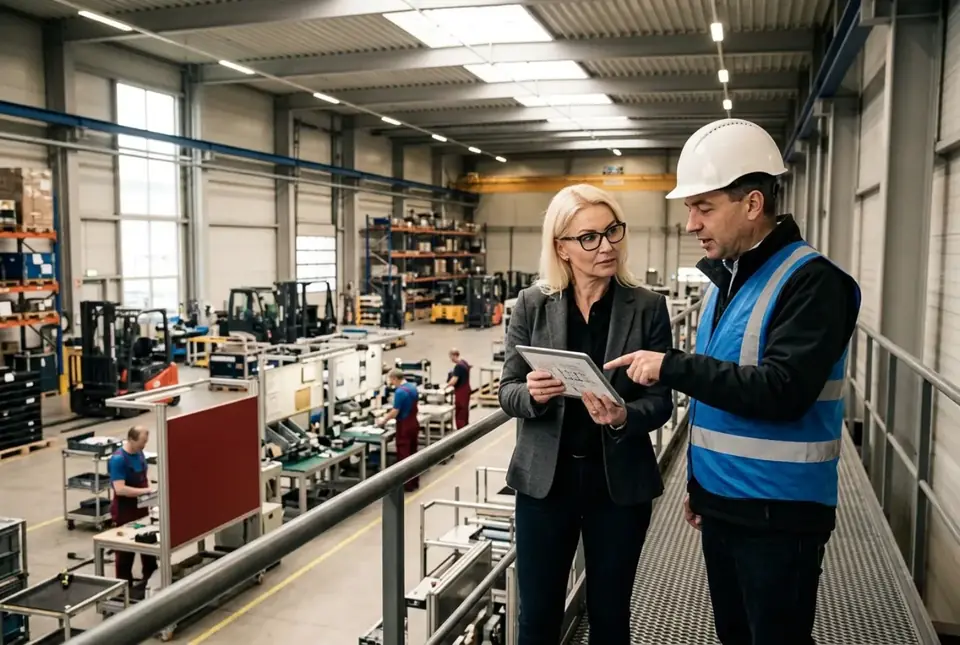
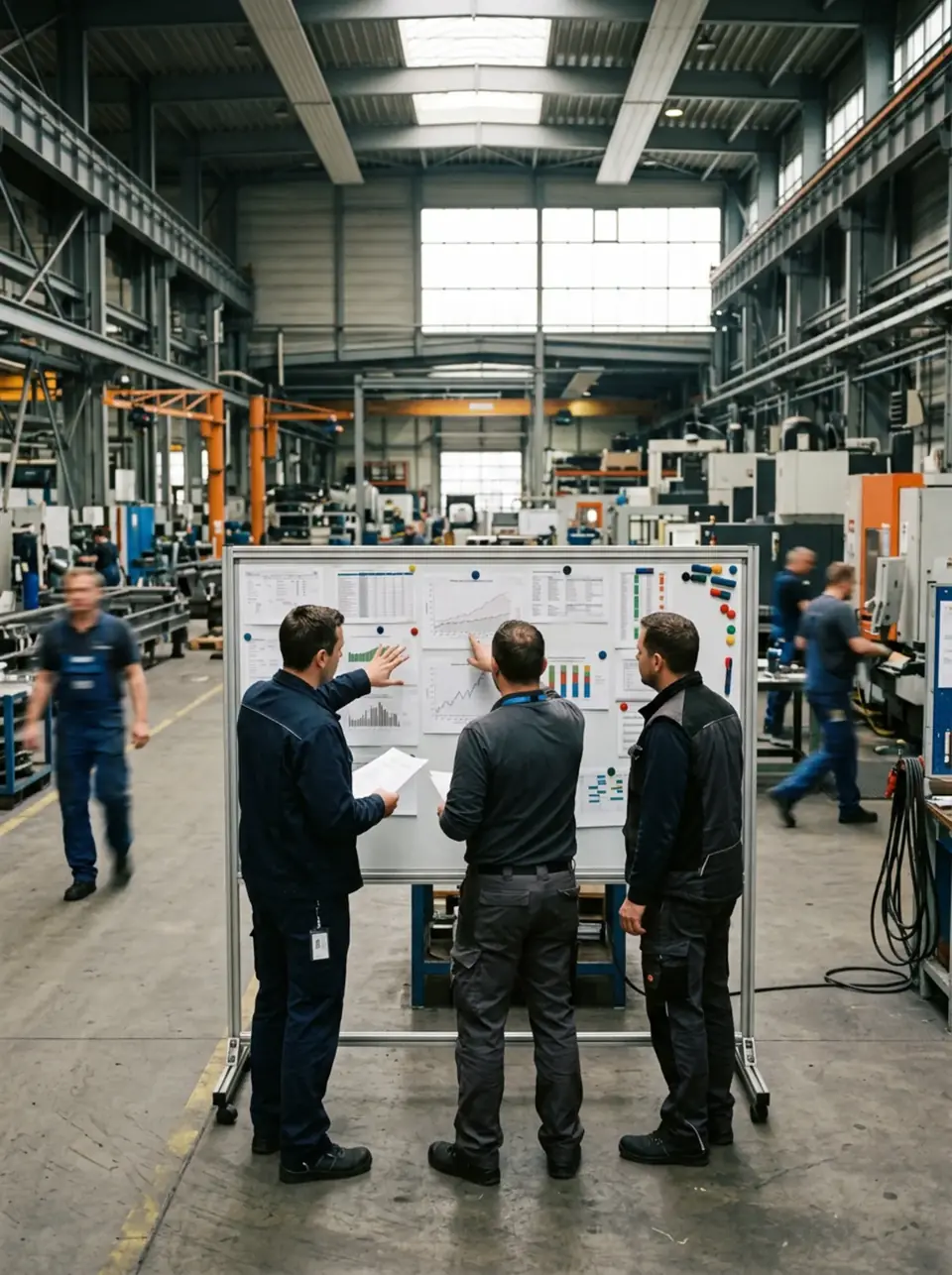
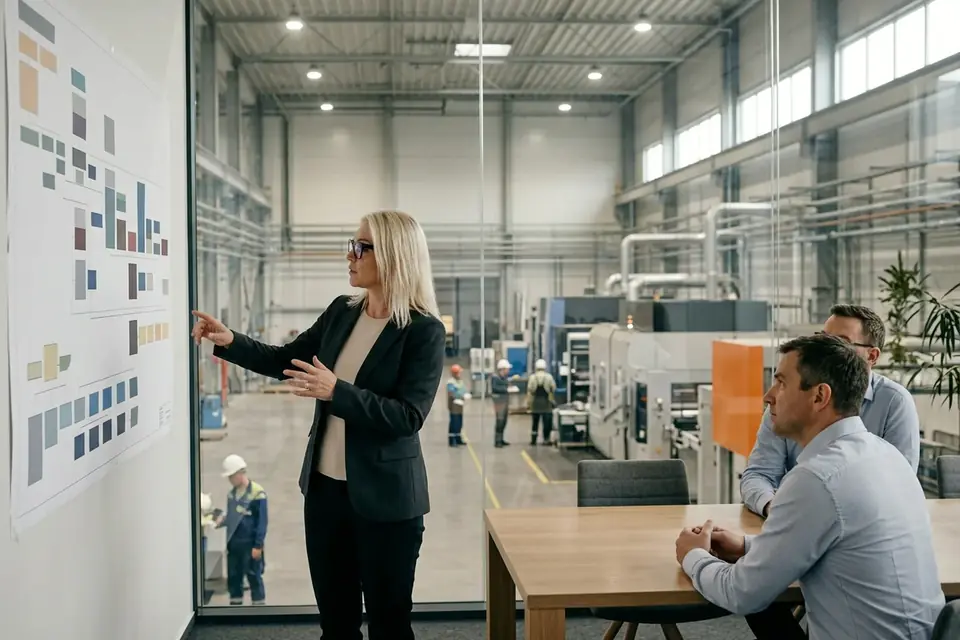
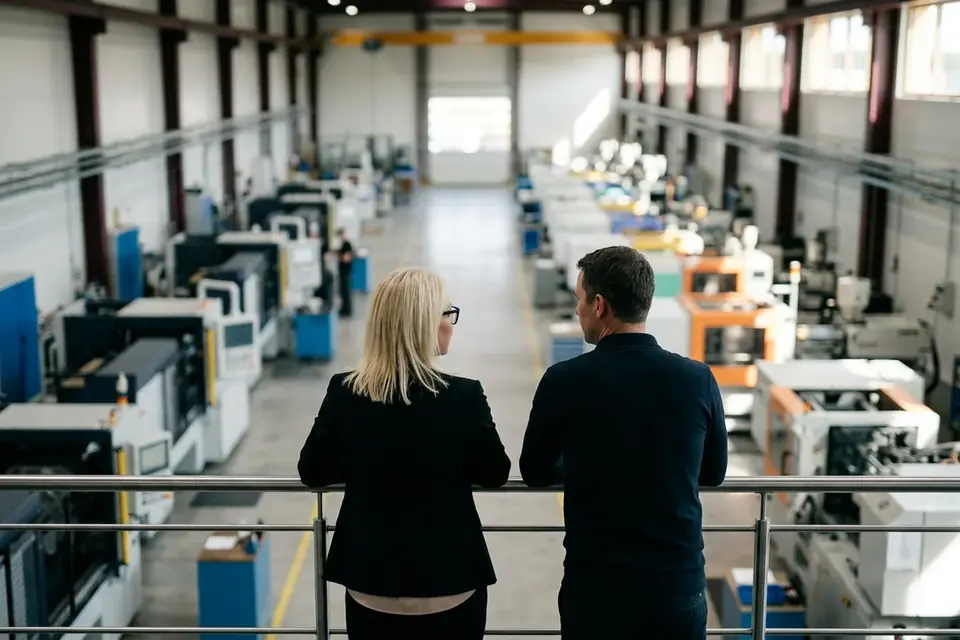
Plant management, production and office staff discussing key figures at a shopfloor board with a view into the assembly hall

Consulting, training and support

Excellent processes & effective change for manufacturing companies.

I support leadership teams and SMEs in Switzerland, Liechtenstein, Germany and Austria, from the shop floor to the office.

Figures from practice

13

years of experience in industry

100+

workshops and training sessions delivered

98 %

satisfaction across my previous engagements

1

goal: your success in implementation!

Fields of action

My four fields of action

This is where I start. The four fields interlock, with one goal: change that lasts.

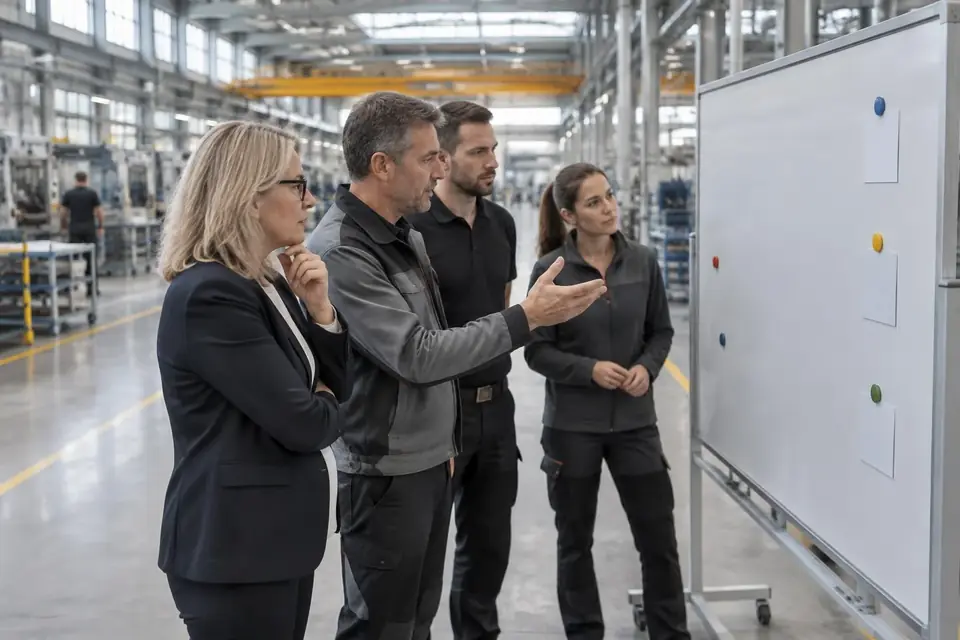
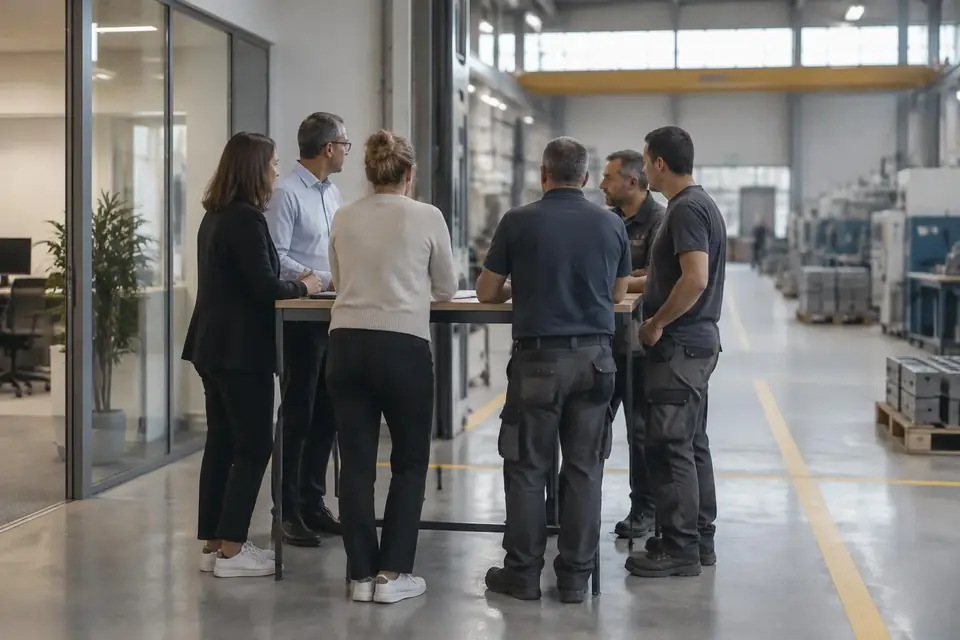
Lucyna Gorges leading a strategic meeting with plant leaders

Strategy & Alignment

Large mechanical engineering assembly hall with overhead crane and several production lines

Excellence & Processes

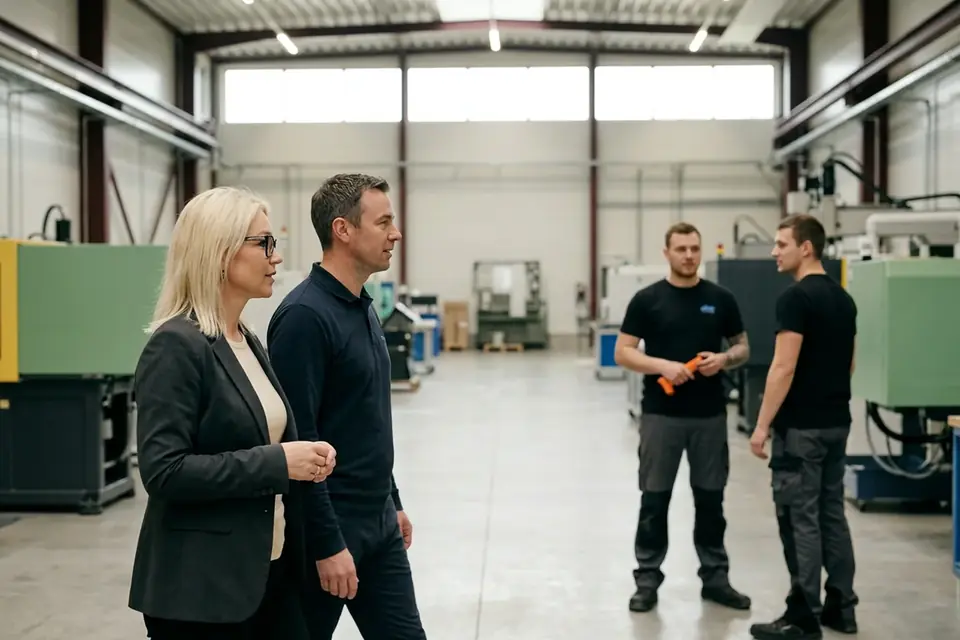
Audit walk through a large assembly hall

People & Mindset

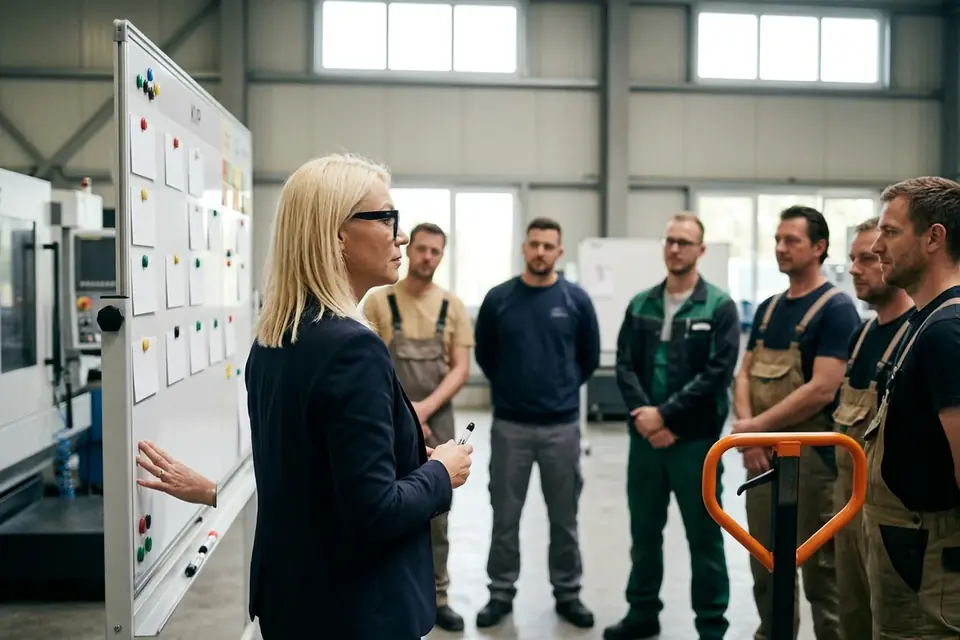
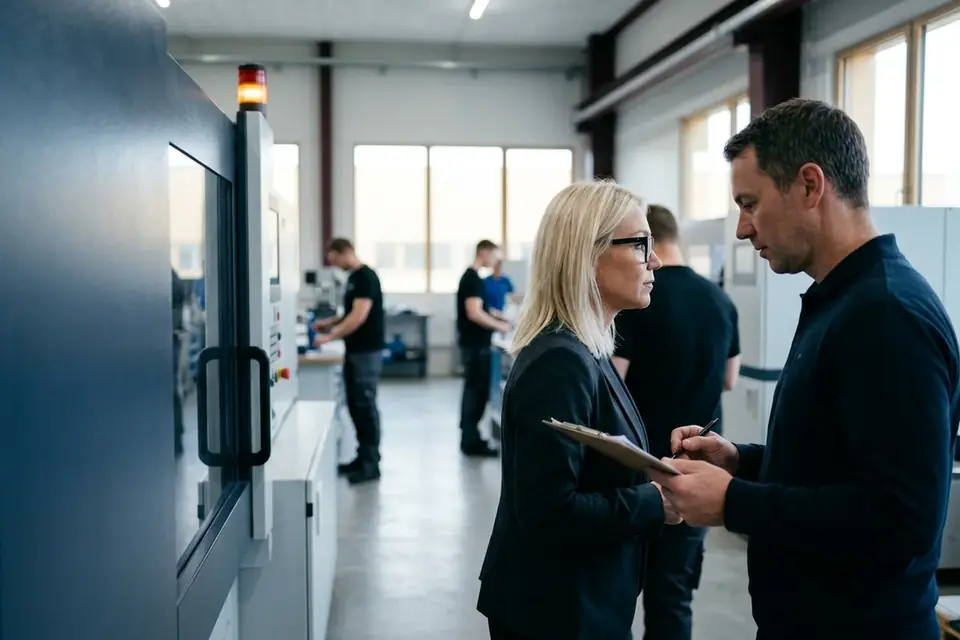
Lucyna Gorges discussing a process with a production team directly at a machine

Future & Technology

Competencies

What I work with

Fields of competence that rarely appear separately in practice. Whoever changes processes always changes the way people work, too.

Lean management

Increase efficiency, minimise waste and optimise workflows.

Project management

Planning, delivery, control and achieving objectives.

Process management

Analysis, modelling, optimisation and standardisation.

Change management

Supporting change, culture shifts, transformation and acceptance.

Lean, change and organisational development

Have your improvement projects stalled? I find out why, and together we get them moving again.

Consulting, workshops, coaching and audits from a single source – for production and administration. With 13 years of industrial practice and always at eye level with everyone involved.
Message me on WhatsApp
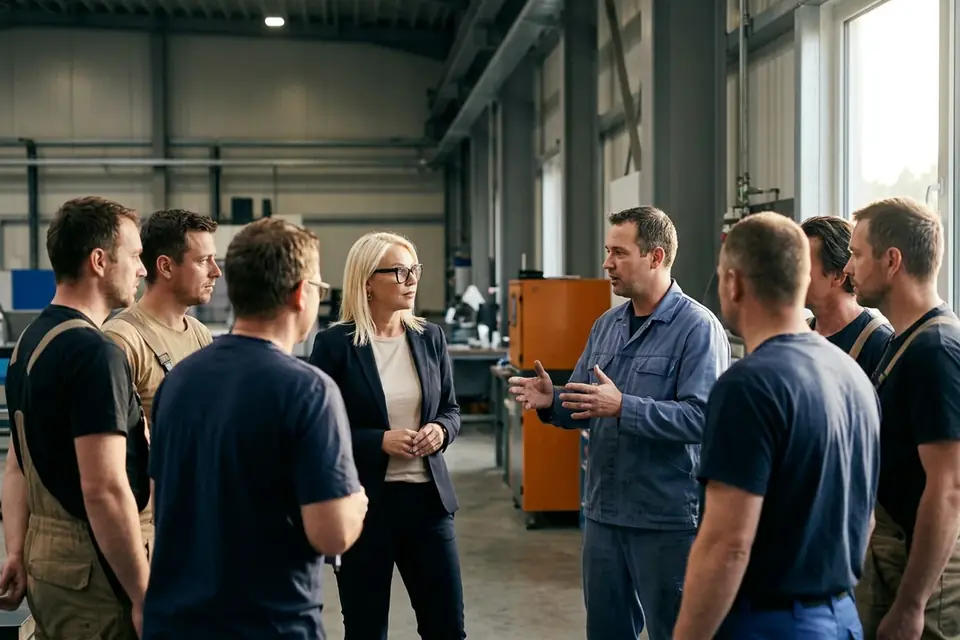
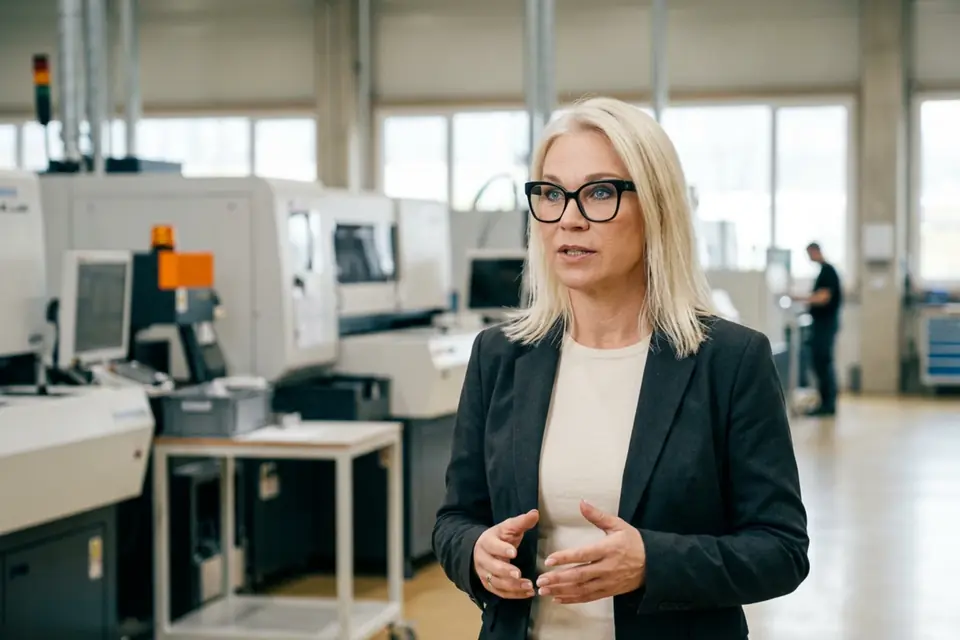
Lucyna Gorges in conversation in a bright assembly hall

Lucyna Gorges, Managing Director of XLG SWISS GmbH

Focus areas

What we work on together

Which topic comes first depends on your starting point. In the end, we usually need to address several.

Development

Strategy, growth, innovation

Goals become a path: what is tackled when, and by whom. This turns the strategy for the coming years into a plan everyone supports.

Organisation

Structure, processes, workflows

Clear workflows and responsibilities, especially where departments meet. So that work does not get stuck at the handovers.

Communication

Dialogue, transparency, stakeholder management

Everyone knows what is being worked on and why. Including those who would otherwise be the last to hear.

Mindset

Thinking, attitude, culture, openness

How the company deals with mistakes, ideas and change. This decides whether improvement lasts.

Future readiness

Adaptability, technology

The company learns to keep developing itself instead of waiting for the next programme. This also means using technology where it genuinely makes everyday work easier.

Services

Services at a glance

Whether analyses, workshops, trainings or audits: we support you where you need us.

View all services

Sound familiar?

Starting points

What I encounter again and again:

Situation 1: The figures are on the table. Then the real questions begin: which initiatives follow from them? What will be tackled when, and by whom? And how do the objectives of each area fit together so that they reinforce rather than obstruct one another? I have helped develop sites over many years and supported precisely this translation, from executive objectives into each individual area. Together with your leadership team, I create a plan in which everyone knows their part and the bigger picture remains visible.

Situation 2: The launch was big. Kick-off in the canteen, posters with the lean principles, a wave of training for every shift leader, an external consulting team with wheeled suitcases. Two years later the posters are still up. The boards on the line show the status from three months ago. The lean manager has resigned, and plant management is wondering whether any of it ever achieved anything. I know this situation from the inside. Since 2013 I have worked in plants where lean was just starting, was running or was just collapsing. Most of the enquiries that reach me today do not start from zero. There was already a programme. The question is not whether lean works. The question is why it stopped working in this plant.

Situation 3: Your plant's project list is long. Digitalisation of order processing, a new KPI system, changeover optimisation on two lines, reorganisation of maintenance, a sustainability programme from head office, plus the ERP update. Every single project has a good reason. Together they add up to a plant in which everyone is busy and nothing gets finished. I have seen this in group-owned plants and in mid-sized companies, in the hall and in the office. The symptoms are always the same: meetings in which status is reported instead of progress. Team leaders who are members of four projects and have time for none. And a leadership that no longer knows what it actually wanted first.

Situation 4: On almost every line I walk onto, a standard is hanging. Laminated, with a photo, with the signature of the production manager. And on almost every line the shift works differently from what the standard shows. Not out of defiance. Mostly because the standard never matched what the people on the spot actually do. Then there are the boards. Shopfloor boards, KPI boards, action lists. In many plants they are the most visible result of the lean programme. And in many plants they are the most visible sign that it is no longer alive: figures from weeks ago, actions without owners, KPIs nobody discusses.

Situation 5: You have a sound initiative. A new line organisation, a different shift model or a new approval process in order processing. The arguments are sound and the executive team is behind it. Then comes the meeting with the team, and it goes quiet. Or loud. Someone says: "We have tried that before." Someone else says nothing and carries on as before the next day. Many leaders I have supported experience this moment as a personal defeat. They respond with more arguments, more pressure or withdrawal. All three routes lead to the same place: the initiative is implemented formally but is not lived in daily work. Resistance usually contains a valid point. We find it together with your team.

Situation 6: Why do the two departments that depend on each other most find it so hard to work together? Sales lives on production delivering. Production lives on sales bringing in orders. And yet in many plants it sounds like this: sales promises dates that nobody can keep. Production hides behind capacity and sequence. Each side has a story in which the other is to blame. The price for this is high, but hard to see. It sits in rush orders that tear up the plan. In call-backs to the customer. In meetings that serve only to justify. In good people on both sides who at some point stop feeling responsible for the whole.

Situation 7: Your plant has invested in lean. Changeover times are shorter and inventories smaller. Yet delivery dates remain uncertain. When you ask why, you hear that the order reached production too late, the drawing was missing, or purchasing had not ordered the material because the requirement sat in a spreadsheet nobody opened. I have worked in both worlds, on the shopfloor and in the office, and I am a Lean Black Belt for production and administration. What surprises many people is that a large part of the lead time can arise before production even begins: in order clarification, purchasing and production planning. Where nobody says value stream because it is only the office. That is exactly where I start.

Situation 8: The audit is over or the project officially complete. The report is on the executive team's desk, the presentation has been delivered and the results are neatly organised. And now? This is where it is decided whether anything changes or everything ends up in a folder that nobody opens a year later. I have seen many plants and offices at this stage. The patterns are similar: leadership wants to tackle everything at once, the workforce waits to see whether it is serious this time, and within weeks daily business catches up with everyone. The results are usually sound. What is missing is a planned transition into daily work. I plan that transition with you: a few priorities, clear owners, and I stay involved until the first actions have taken hold in daily work.

About me

Change needs clarity and trust.

As your dedicated point of contact, I bring together everything that change in manufacturing needs: strategy, lean, project and change management. From the shopfloor to executive management.

More about me

Guide

Short & to the point

Food for thought, practical examples and know-how on processes, organisation and digitalisation.
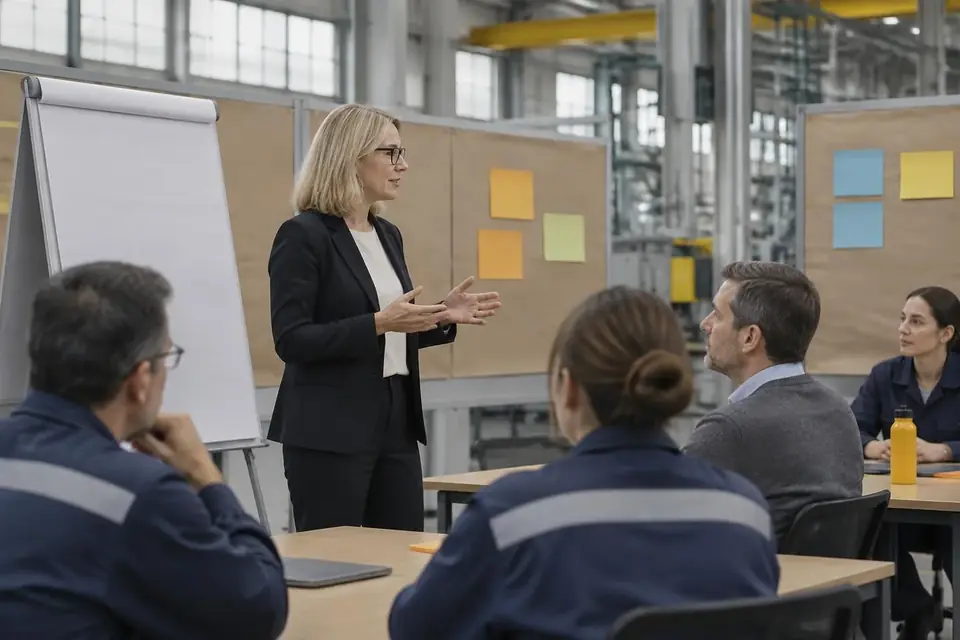
Lucyna Gorges facilitating a lean workshop in the obeya room of a large plant

Ready for the next step?

45 minutes, free of charge and without obligation. We look at your situation and afterwards you know what the next sensible step is.

→