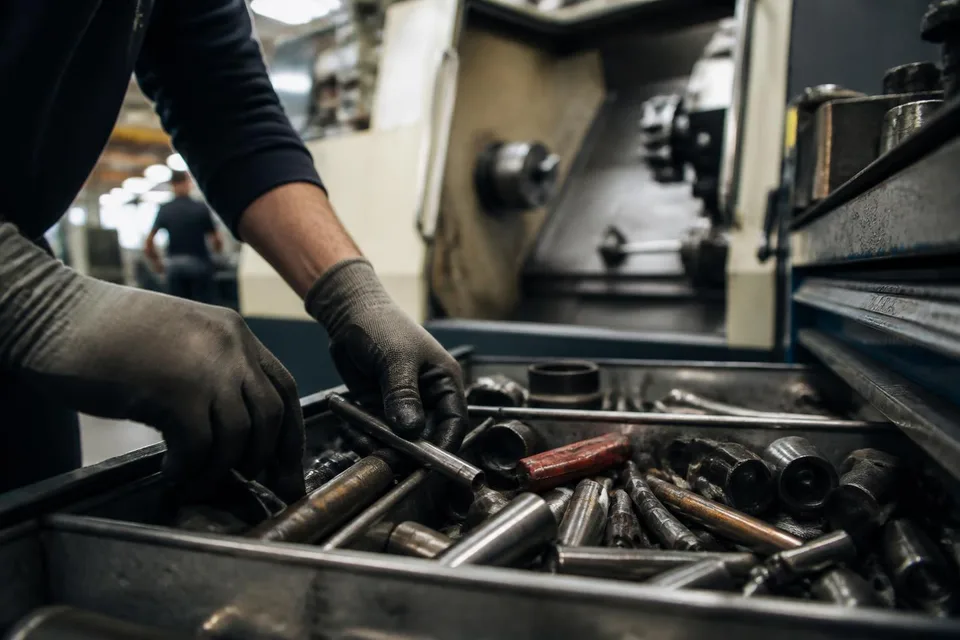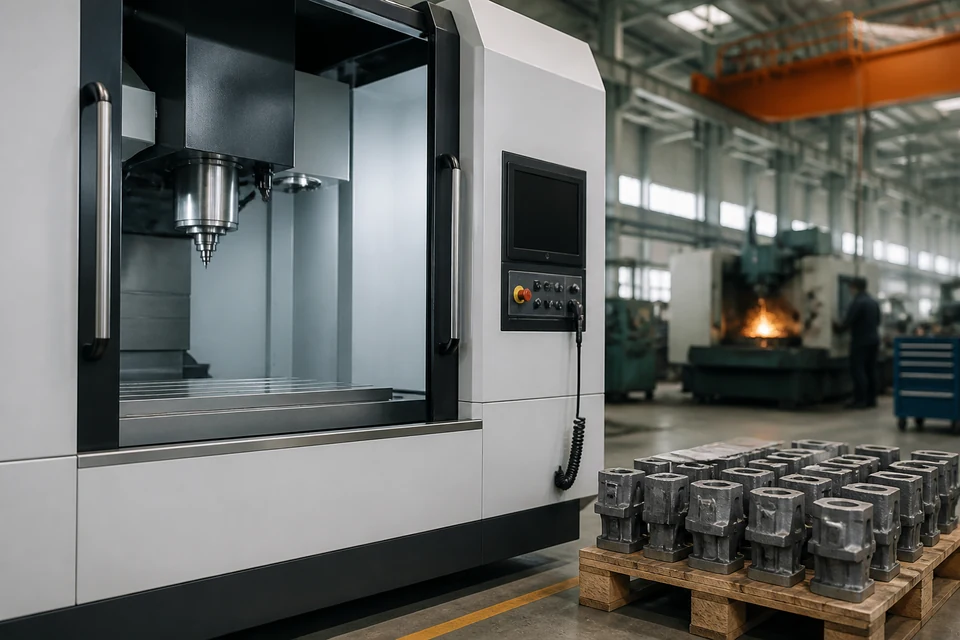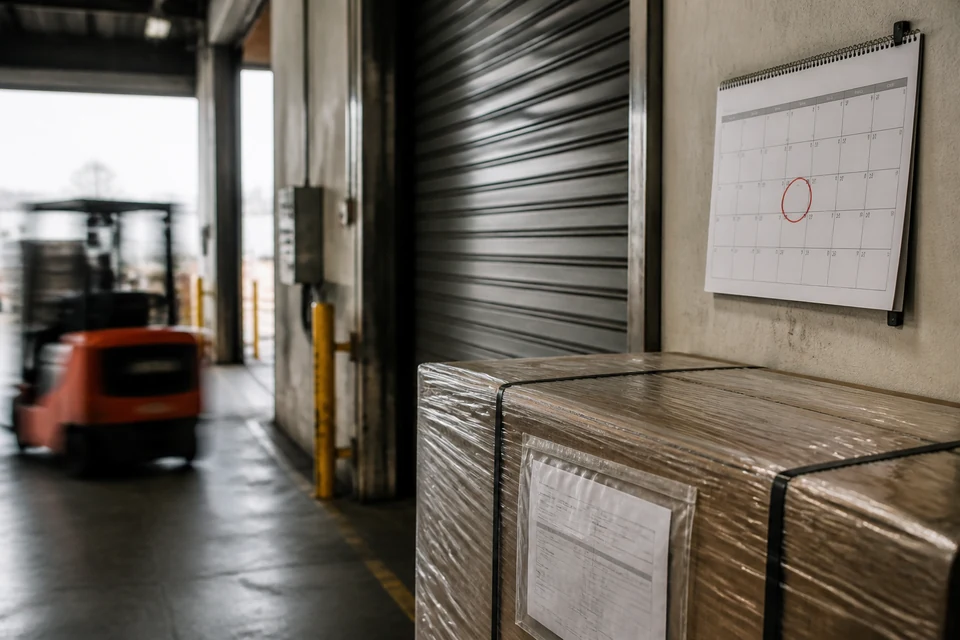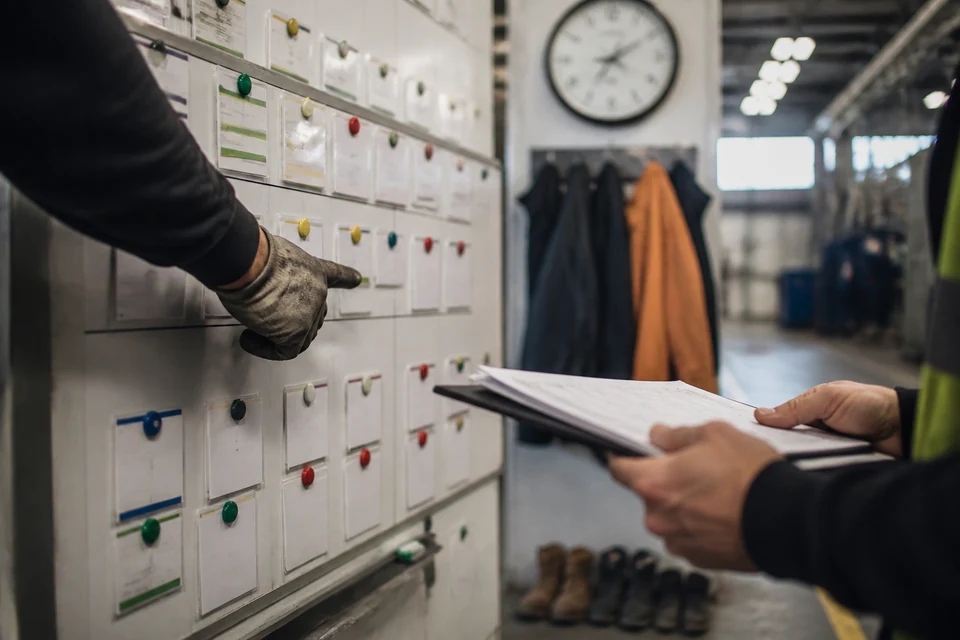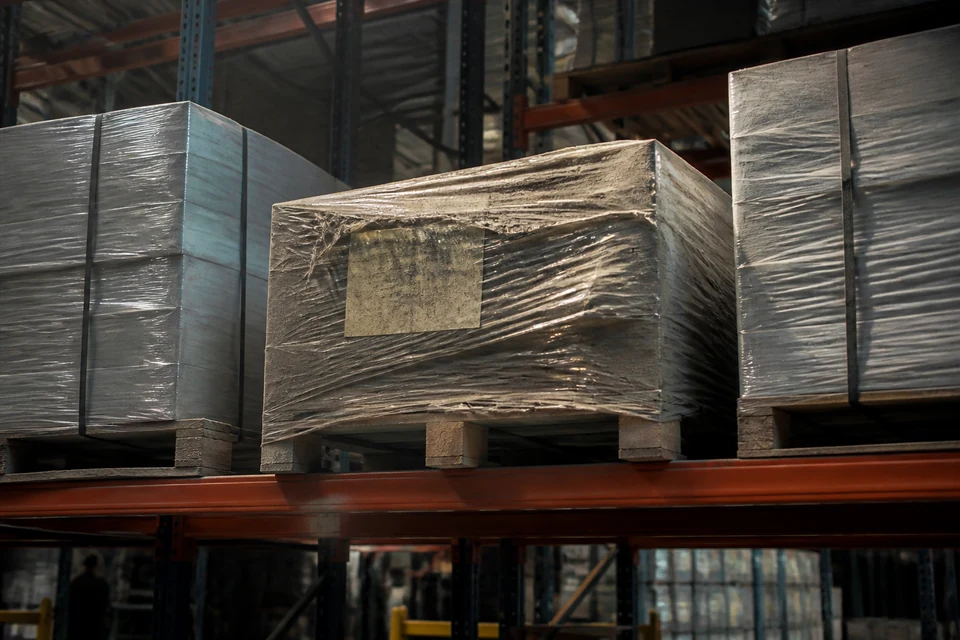

When I see a plant for the first time, I do not go to production first. I go to the warehouse. And I do not just mean the official warehouse with high-bay racking and scanners. I also mean the pallets next to the machines, the boxes under the workbenches, the shelves in the aisle that do not exist according to the layout.
The warehouse tells a story that no report tells. It shows where planning happens, how changeovers are done, who is trusted and who is not. It shows where departments talk past each other. And it does so without embellishment, because inventory cannot argue.
In this article I show how I read a warehouse, and what the most common findings say about the processes behind them. The next time you walk through your plant, you may see the shelves differently.
Inventory is a decision that someone took
Nothing sits in the warehouse by chance. Every part is there because someone decided to order it, to make it or to leave it lying there. The decision may be years old, may be hidden in a system parameter, may be the quiet habit of a buyer. But it exists.
In the Toyota Production System, inventory counts as waste, and specifically as the waste that conceals other waste. The image is well known: the water level in the river is the inventory, the rocks are the problems. As long as the water level is high, you see no rocks. Lower it, and they come into view.
It follows that anyone who wants to reduce inventory without knowing the rocks runs aground. But anyone who knows the rocks can lower the inventory afterwards. Reading the warehouse means finding the rocks before you let the water out.
Six findings and what they mean
Over the years I have learned to match certain warehouse pictures to certain process problems. The most common:
- Large lots of a single part: changeover is expensive, or is perceived as expensive. People prefer to make a lot at once. The finding is: look at changeover time, not lot size.
- Buffer stock in front of a machine: the machine is the bottleneck, or is regarded as unreliable. The upstream steps produce ahead so as not to be blamed when it stands still.
- Buffer stock after a machine: the downstream step does not take the parts, because it is planned differently. Two planning logics, one pallet in between.
- Dead stock with a faded label: an order was cancelled, a variant discontinued, a safety stock never reviewed. Nobody has the responsibility to dispose of it.
- Pallets in the aisle: the official warehouse is full or too far away. The hall has built its own warehouse, because the process does not deliver what it needs.
- Duplicate stocks in the hall and the office: the clerks keep samples, spare parts or documents in reserve because they do not trust the hall or the system.
Each of these findings points to a place in the process. The inventory is the symptom you can touch.
Buffer stock is proof of mistrust
Of all the findings, buffer stock is the most important to me, because it says something about people. A buffer stock arises when two places do not trust each other. Pre-assembly builds ahead because it does not believe final assembly will say in time what it needs. Final assembly keeps stock because it does not believe pre-assembly will deliver in time. Both have experiences that justify this.
The buffer stock thus becomes the cushion between two departments that should talk to each other and do not. As long as it is there, they do not have to talk. They reach into the shelf. The inventory replaces the conversation.
That is why the question for every buffer stock is not: how do we get rid of it? But: which conversation is not taking place here? Usually it is a simple, daily, short conversation about what is needed today. Once that is running, the buffer stock shrinks by itself.
An example from a plant with pre-assembly and final assembly
In a plant with several assembly lines, shelves full of subassemblies sat between pre-assembly and final assembly. Plant management saw this as a space problem and planned an extension of the storage area.
Instead, we counted the subassemblies on the shelves and compared them with the demand of the next few days. Some of them were not needed at all in the foreseeable future. Another part belonged to variants that were just being phased out. Pre-assembly had produced to a weekly plan that had been drawn up weeks earlier. Final assembly worked to the daily plan from sales, which changed several times a week. Two plans, no coordination, a shelf in between.
The solution was a shared board on which final assembly enters the demand for the next two days every morning, and a pre-assembly that produces exactly to that. No shelf building. The shelves became emptier over the following months, and plant management had its space without spending a single franc on construction.
The office has a warehouse too
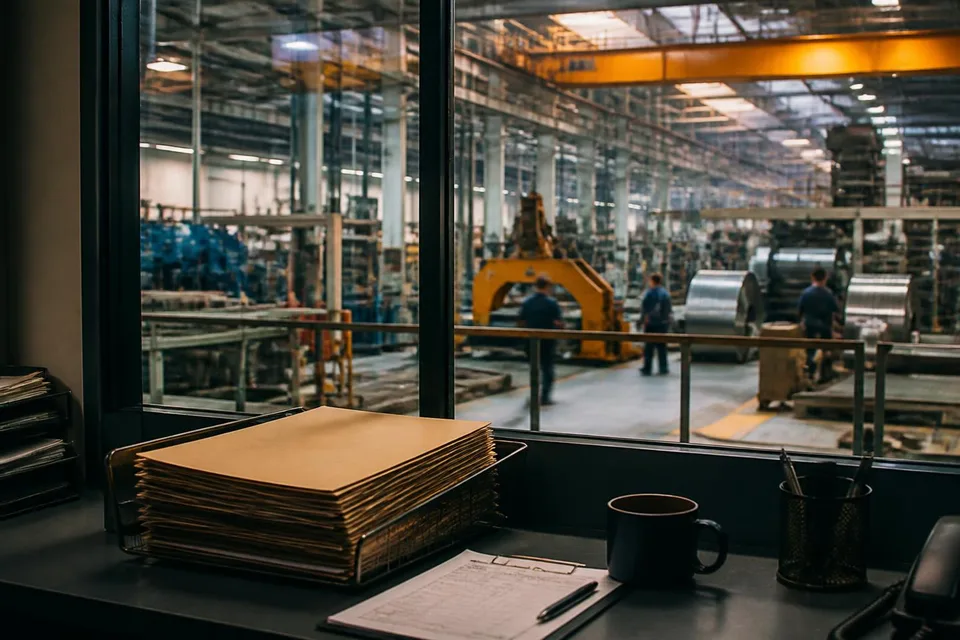
Inventory is not only made of metal. In order processing it sits as a stack of unprocessed orders in the in-tray, as a list of open queries, as an inbox with a hundred unread emails. In design it sits as drawings in the approval loop. In accounting as invoices waiting for a signature.
The rules are the same. A large pile in front of one place shows a bottleneck or a trust problem. A pile that always stays the same size shows that it is regarded as normal and nobody sees it any more. And a case that sits for a very long time is the office's dead stock: an order with a question attached that nobody wants to ask.
So anyone who wants to read their plant should also read the in-trays. They are the warehouse of the administration, and they lie just as little.
How to read your warehouse on your next walk-round
You do not need a stocktake or a system report for this. You need an hour and a notepad.
Walk through the plant and note every stock that catches your eye, with three questions: what is sitting here? Who decided that it sits here? Which problem is being concealed by it? You will think longest about the third question. That is a good thing.
Then sort the findings by the cause behind them: changeover, planning, interface, trust, missing responsibility. You will find that the causes repeat. A plant rarely has twenty different warehouse problems. It usually has two or three process problems that show up in twenty shelves. Solve one of them, and several shelves will become emptier. That is the moment when inventory reduction is no longer a goal, but a consequence.
In short
- Every stock is a decision. It is old or hidden, but someone took it.
- Inventory conceals problems. Find the rocks first, then let the water out.
- A buffer stock replaces a conversation that is not taking place between two places.
- The office has a warehouse too: in-trays, approval loops, open queries.
- A plant rarely has many warehouse problems. It has a few process problems in many shelves.
Frequently asked questions
Frequently asked questions
Should we simply reduce inventory by decree, for instance with target values per area?
That almost always leads to inventory being shifted rather than reduced, into the office, into the aisle, to the supplier. The rocks remain, and as soon as pressure comes, the inventory grows back. It is better to work on the causes behind the largest stocks. Then the inventory falls because it is no longer needed, and stays down.
How do I distinguish sensible safety stock from waste?
Sensible safety stock has a named reason, a named responsibility and a date on which it is reviewed. If one of these three things is missing, it is usually habit. For every larger stock, ask who last questioned it and when. The answer is often: nobody, never. That is not safety stock then, it is inheritance.
Our warehouse is well recorded digitally. Is looking in the system not enough?
The system shows what is booked. It does not show the pallet in the aisle, the box under the workbench and the pile in the in-tray. And it does not show why something is sitting there. The walk-round supplements the system with exactly the information you need for the cause. I recommend both: the figures from the system and the story from the hall.