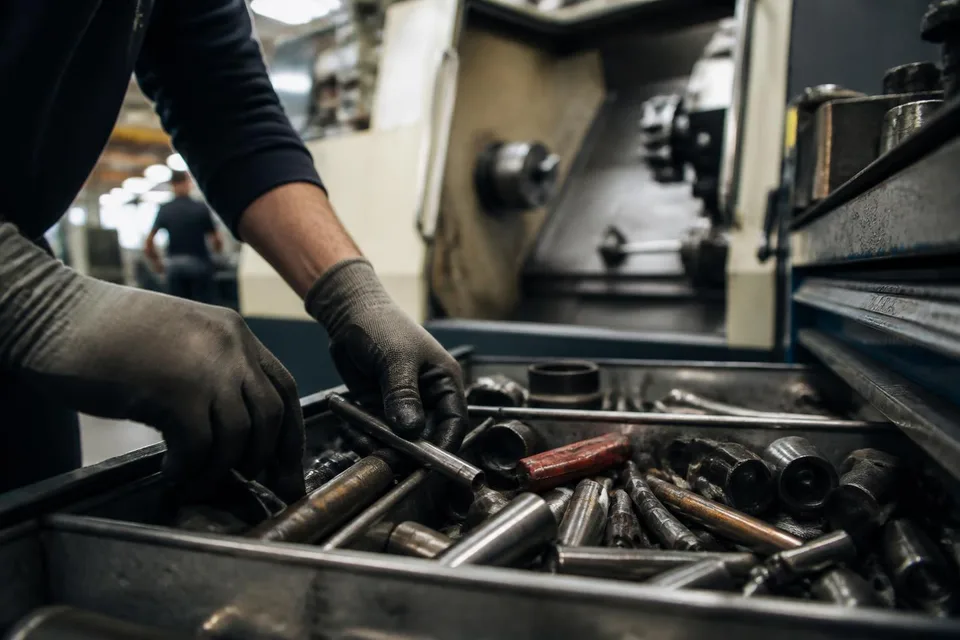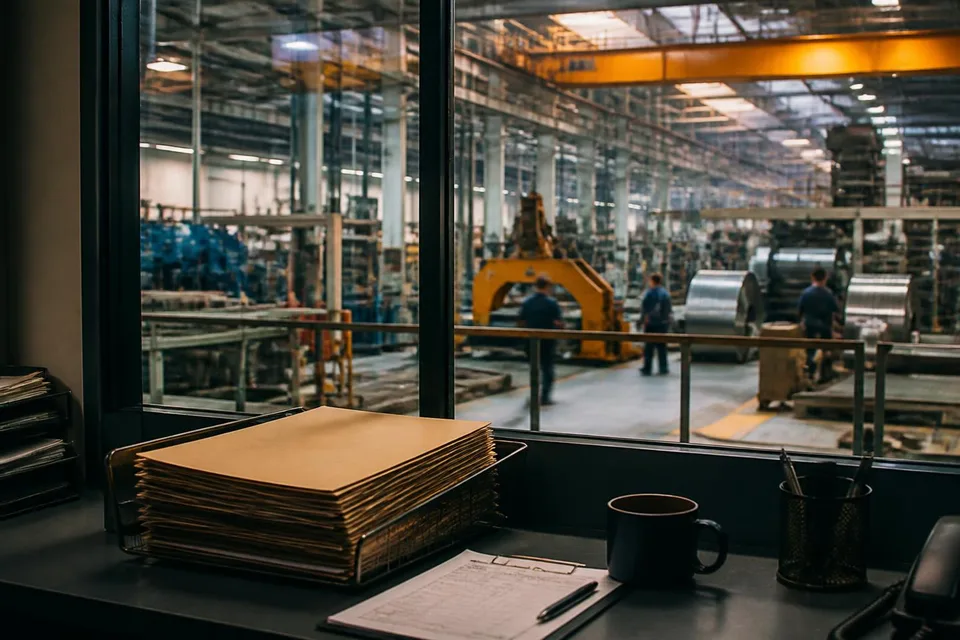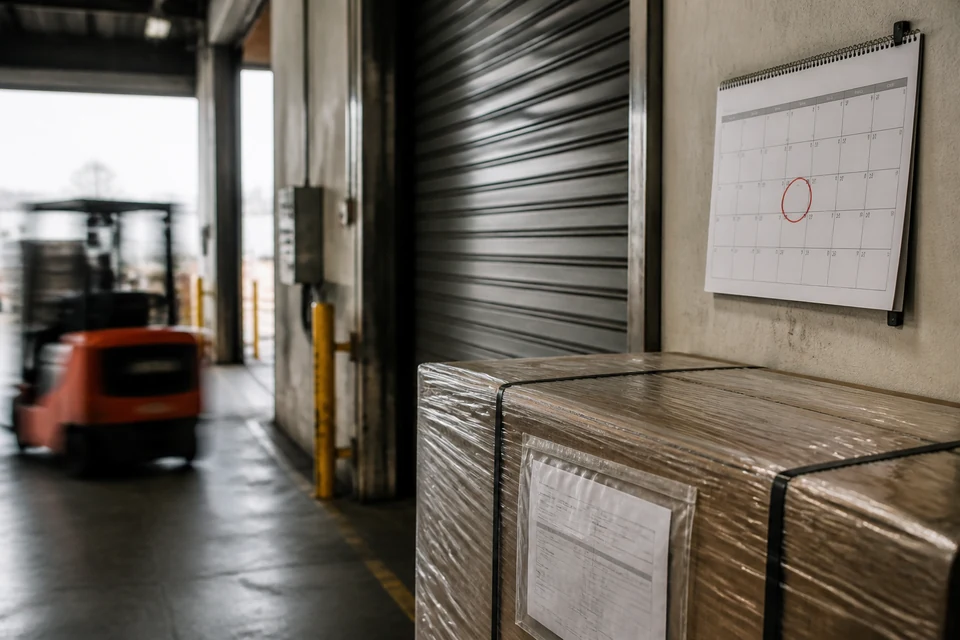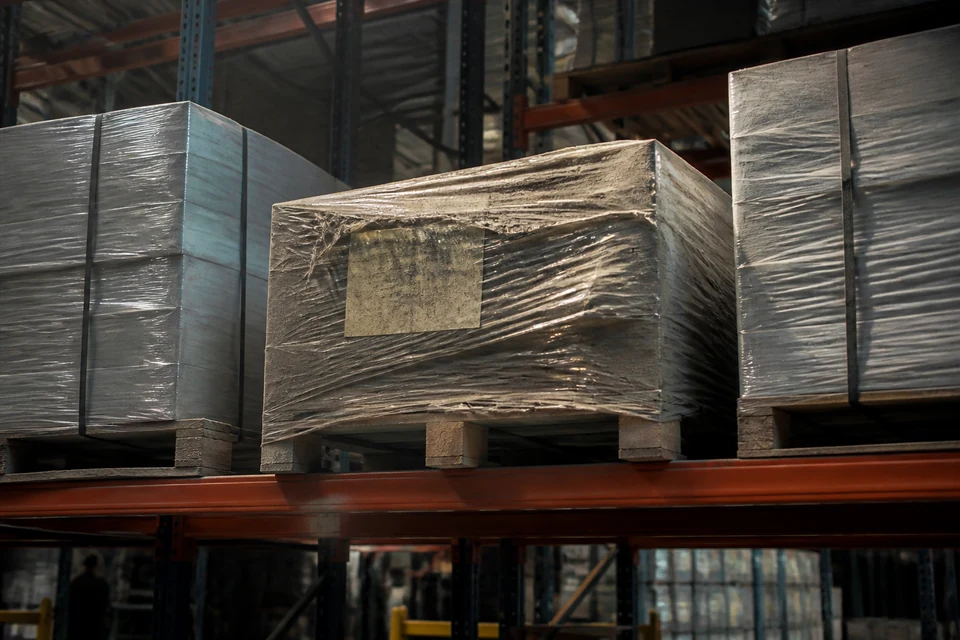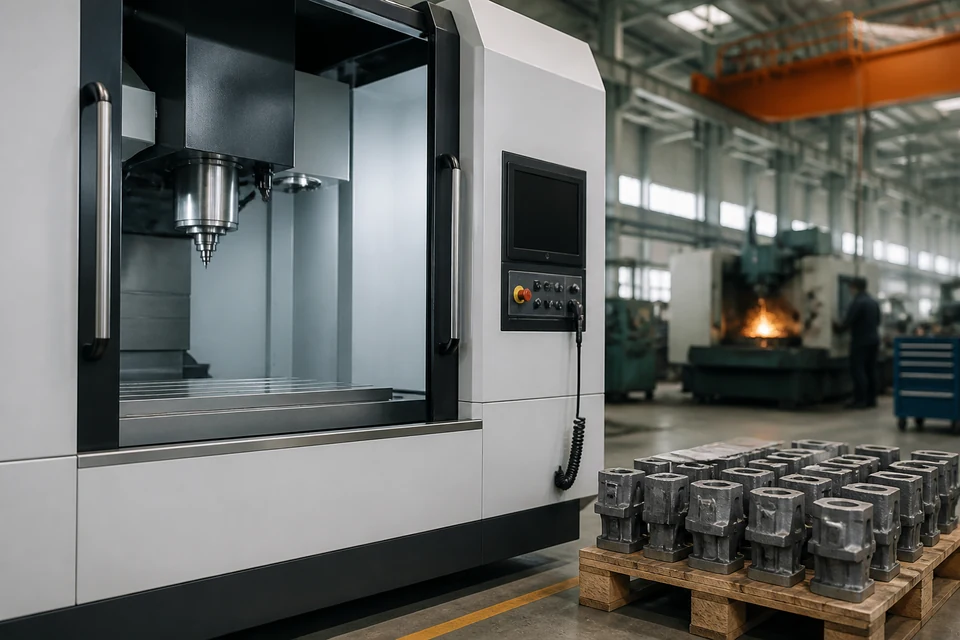

I know the scene from many plants. Two years ago the machine was inaugurated, with the executive board, photographers and a speech about the future of the site. Today I walk through the hall with the plant manager, and that very machine is standing still. An error message on the screen, a pallet of raw parts beside it, the operator is in the tool crib. A few metres away, the old machine that was supposed to be replaced is calmly running its programme.
The plant manager is annoyed. The investment was large, the expectation was clear, and the utilisation is a disappointment. The first reflex points at the manufacturer, the second at maintenance, the third at the operators. All three rarely hit the cause.
My experience from manufacturing industry and mechanical engineering is this: the machine is almost never the problem. The problem is that a large machine acts like an amplifier. It makes visible everything around it that does not run cleanly. In this article I show where I look first when a machine is standing still.
The machine is the amplifier, not the cause
An old machine with a slow cycle time forgives a lot. If the material arrives an hour late, nobody notices, because it is still working on the previous order anyway. A fast machine eats the same order in a fraction of the time and then waits. It waits for material, for drawings, for tools, for the first-piece approval, for the forklift.
That is the core of it: the new machine did not create the waste. It removed the buffer in which the waste could hide until now. In the Toyota Production System this state is called waiting, one of the seven types of waste. Waiting is the waste that stands out the least, because it does not look like work, it looks like a break.
So anyone who wants to utilise the machine better should not start with the machine. They should start with everything that feeds the machine and everything that leaves it.
Four causes I find almost every time
When I look at the stoppages of an expensive machine over a few shifts, the same patterns keep appearing:
- Changeover takes longer than planned. Not because of the machine, but because tools are being searched for, programmes adjusted and clamping devices improvised. The actual changeover is the smallest part of it.
- Material does not arrive on time. Production planning plans by capacity, purchasing orders by lot size, the warehouse picks in order of receipt. Three logics, one waiting machining centre.
- The first-piece approval is stuck in quality assurance. The measuring machine is occupied, the inspector is on a break, the drawing is in the old revision. The machine may not continue until someone signs.
- Downstream steps are full. The machine produces faster than assembly can take. So parts pile up, and at some point someone says: do not run it any further, we have no space.
None of these causes appears in the maintenance log. All four stand in front of the machine every day, if you look.
What OEE shows and what it hides
Many plants measure their machines with overall equipment effectiveness, OEE. It is made up of availability, performance and quality. It is a usable tool, but only if the reasons for stoppages are recorded honestly.
In practice I often see a category called Other that is larger than all the others combined. Or the operators enter whatever reason is quickest to type. Then the OEE shows a value, but it does not show a problem. It has become a reporting figure instead of a clue.
My advice: in the first round, do not engage with the value, engage with the reasons. For one week, record every stoppage by hand, with time, duration and the sentence the operator says about it. This list is worth more than any evaluation from the system, because it speaks the language of the hall.
An example from a plant with several machining centres
A plant had bought a new five-axis centre to replace two older machines. Utilisation stayed far below expectations. Plant management suspected operator errors and planned a refresher course by the manufacturer.
Before the training took place, three of us stood at the machine for a week, noted every stoppage and asked the operators what they were doing at that moment. The result surprised everyone: most of the time was lost not in operating, but in waiting for approved programmes. Programming sat in the office, worked in order of incoming orders and did not know which order was next on the machine. The operators knew, but had no way of telling them.
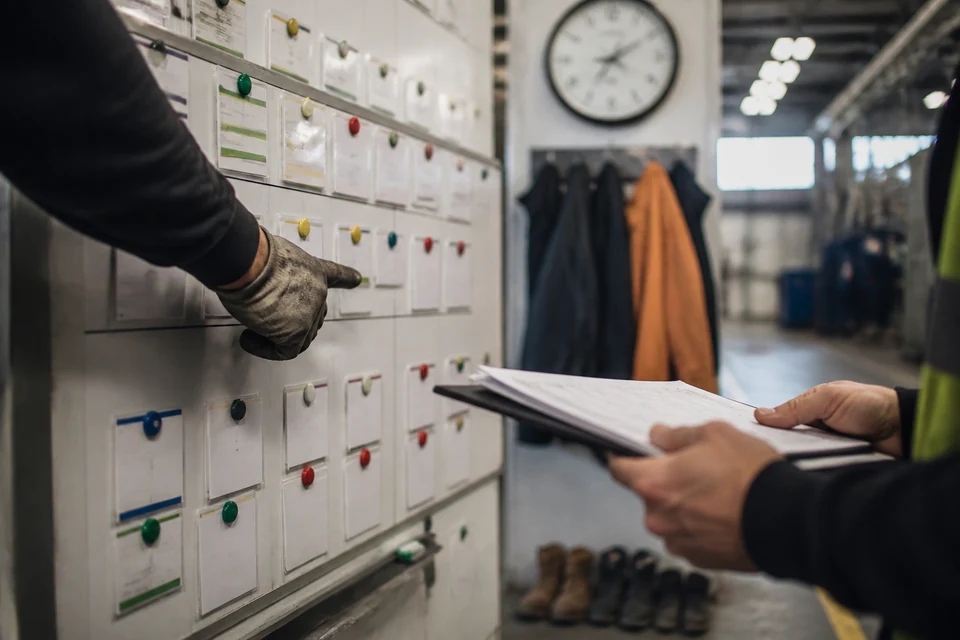
The solution was not training, but a small board between programming and the hall showing the next orders in sequence, and a fixed time each day when the programmers came to the machine. After that the machine ran noticeably more smoothly. The manufacturer was never needed.
The bottleneck decides where you start
Not every machine standing still is a problem. If a machine is not the bottleneck of the plant, it is allowed to stand still. That sounds heretical, but it is a lean fundamental: a process can only be as fast as its slowest step. Everything that produces faster than the bottleneck creates inventory, not revenue.
So the question is not: how do we get the expensive machine fully utilised? It is: is the expensive machine our bottleneck? If yes, then every minute of downtime there is a minute of lost delivery capability, and it deserves full attention. If no, then the attention is better spent on the actual bottleneck, even if that is an inconspicuous washing station or a single measuring station.
Anyone who does not ask this question optimises the visible instead of the important. And the visible is almost always the machine that had an inauguration ceremony.
How to proceed in the coming weeks
If you have a machine that stands still too much, I recommend this sequence:
- Clarify whether the machine is the bottleneck. Walk the value stream once from order to dispatch and look for the point where work piles up.
- Record stoppages by hand for a week, in the operators' words. Do not prescribe categories.
- Sort the reasons by who can fix them: operators, maintenance, production planning, logistics, quality assurance, programming. You will see that the hall can only influence part of it.
- Bring the departments that cause the largest share to one table. Not as an accusation, but with the list in hand.
- Fix one cause completely before touching the next. One solved problem convinces more than five half-started ones.
The pattern behind this is PDCA: plan, do, check, act. Small, but genuinely completed. The machine will not run better because of one decision, but because of many small ones that you see through.
In short
- A fast machine removes the buffers in which waiting used to hide. It shows the problem, it is not the problem.
- The most frequent causes of downtime lie outside the hall: programmes, material, approvals, full downstream steps.
- A handwritten stoppage list in the operators' words is more valuable than any system evaluation.
- Only the bottleneck deserves full attention. A non-bottleneck machine is allowed to stand still.
- Fix one cause completely, then the next. Half-finished measures convince nobody.
Frequently asked questions
Frequently asked questions
Should we have the operators retrained if the new machine is running badly?
Only once you know that operation is the cause. In most cases I have seen, it was not. Record all stoppages for a week and look at how much of it is actually in the operators' hands. If there is still a need after that, training makes sense. Before that, it is an expensive reassurance.
Our OEE recording runs automatically. Is that not enough?
Automatic recording measures well whether the machine is running or standing. But it rarely knows why. The reason is either entered by the operator or pushed into a catch-all category. I recommend keeping the automatic recording and, for a limited period, placing a handwritten list of reasons next to it. The comparison is usually revealing.
What if the machine is not the bottleneck at all?
Then its downtime is not a problem, but a consequence of it being faster than the rest. You should then deliberately run it to the takt of the bottleneck instead of building up inventory. In that case the investment pays off over time, once the bottleneck is solved elsewhere. That is often the more honest route than trying to keep a machine busy at any price.