
Why is this sentence actually so expensive? Not because it is wrong. Most of the time it is even true. They really have always done it this way. It is expensive because it ends every conversation before it has begun. The manager hears defiance, the team hears a lecture, and both leave the room feeling that the other side has not understood.
I have heard the sentence in assembly halls, in order processing, in accounting and in executive board meetings. It is not a question of education or hierarchy. It is the default answer of a person whose experience is being called into question at that moment.
This article is not about banning the sentence. It is about translating it. Because behind it there is almost always a piece of information that you need for your project.
What the sentence really says
When someone says "we have always done it this way", I usually hear one of four sentences that are not being spoken:
- "I know why we do it this way, and you did not ask me." This is the most common variant. Behind the old procedure there is a reason that only the people who have been operating it for years know.
- "We have tried the new thing before, and it failed." The person remembers a programme, a project, a consultant. They do not want the same disappointment again.
- "I am afraid I will not be able to do the new thing." The experienced setter, the long-serving clerk, they are good at what they do. The new procedure turns them into beginners.
- "I do not have time to learn this now." The daily routine is full, and every change costs time first before it saves any.
None of these sentences is defiance. All four are legitimate objections that are merely badly packaged. Whoever attacks the packaging loses the content.
Why arguments do not help
The reflex of most managers is to argue better. More slides, more examples, more emphasis. That does not work, and I can say why: the sentence is not a factual position but a protective reaction. You cannot argue a protective reaction away, you can only make it unnecessary.
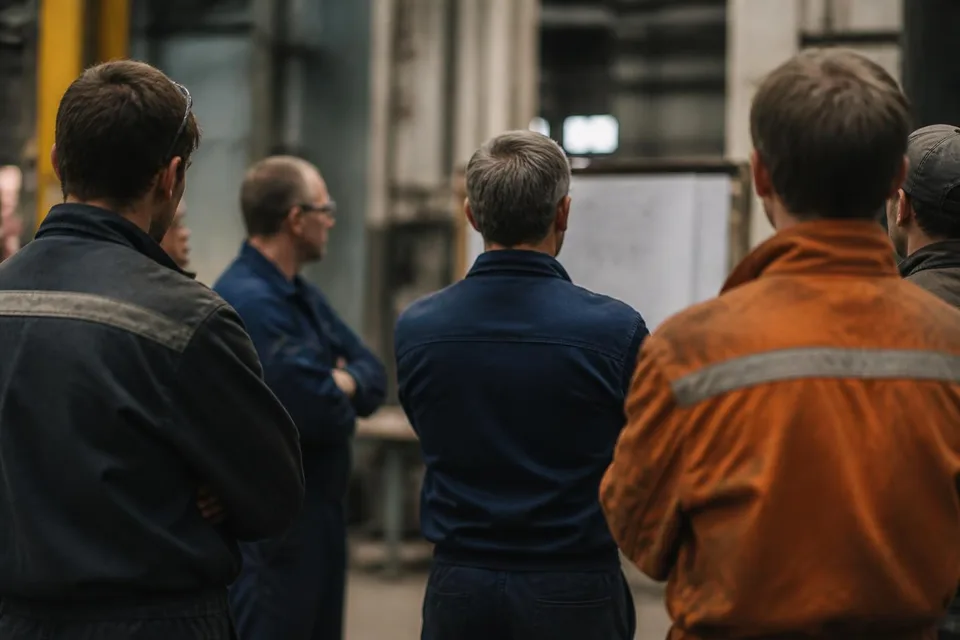
In an assembly hall I watched a department head explain for half an hour why the new material supply was better. He was right. At the end a foreman said: "Could be. But we have always done it this way." The department head was speechless. He had argued against a feeling and was surprised that the feeling did not give way.
What helps instead is simpler and more uncomfortable: asking. "Why do we do it this way?" Not rhetorically, but honestly, with a notepad. The answer is either a reason that you have to build into your project, or the realisation that nobody knows any more why. Both are progress.
The sentence as a place to find knowledge
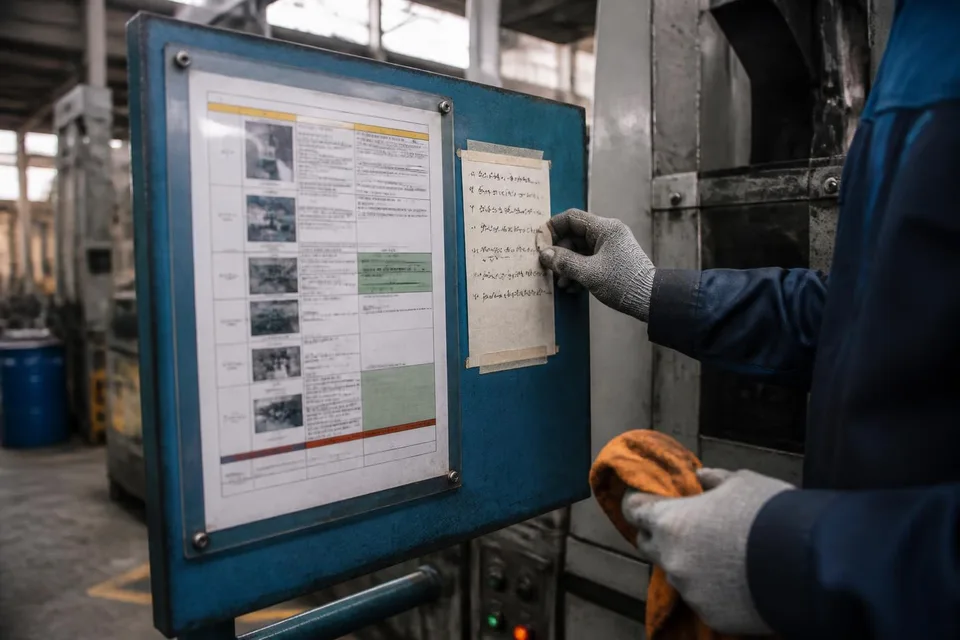
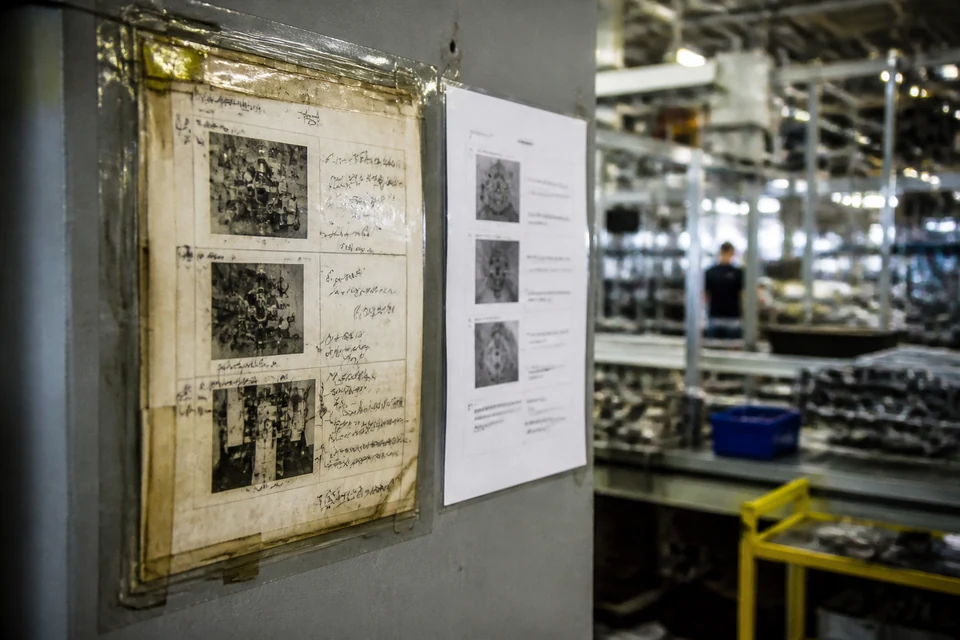
Behind "always done it this way" there is often a piece of process knowledge that is not documented anywhere. In a plant with several welding lines, the procedure included an additional inspection step that nobody in the office could explain. The proposal on the table was to remove it. The welders resisted with exactly this sentence.
Only in conversation at the line did it emerge: years ago, a particular component had shown cracks that could only be found with this inspection. The component had long since stopped being produced. But the inspection had remained, because nobody had decided to end it. So the welders' sentence was not defiance. It was a hint that there was a reason, and a call to check it before removing it.
That is exactly how I have used the sentence ever since: as a marker. Wherever it comes up, there is a reason that either still applies or has long been superseded. In both cases, asking pays off more than pushing through.
Three answers that open the conversation
There are answers that reinforce the sentence and answers that dissolve it. These three have proved themselves for me:
"Tell me how it came about." This gives the person back the role of the one who knows, which they are just about to lose. Usually a story follows, and the reason is in the story.
"What would have to be different about the new approach for it to work for you?" This shifts the conversation from whether to how. The person turns from opponent into co-designer, and you get adjustments you would never have come up with on your own.
"Let us try it at one station for a week, and then we decide together." This takes the finality out of the project. Anyone who knows they can go back is more willing to try. And after a week you talk about experience instead of opinion.
All three answers have something in common: they treat the sentence not as resistance but as the start of a negotiation.
When leadership thinks the same way
The sentence does not only come up at the line. It comes up in executive boards, just more elegantly phrased. "That has grown historically here." "That is our culture." "That is what our customers have come to expect." It is the same sentence wearing a tie.
I regularly see plant management demanding readiness for change from its team while at the same time treating its own reporting structure, its own meeting rhythm and its own way of deciding as untouchable. The team notices. And it draws the correct conclusion: change applies to the others.
That is why the honest work starts with the sentence at the top. Which habit in your own area no longer has a reason? Which meeting takes place because it has always taken place? Whoever changes something there first is entitled to expect it from others.
What you can do differently tomorrow
I do not want a list of ten points. There are two.
First: strike the sentence from your own vocabulary, in all its variants. Not because it is forbidden, but because otherwise you will no longer hear it in others.
Second: keep a list. Every time the sentence comes up in your area, note what it was about and follow it up within a week. Ask, listen, check the reason. After a few weeks you will have a catalogue of habits, some of them good, some outdated and some simply expensive. That is the most honest improvement plan you can get. And the people who said the sentence are then no longer your opponents but your source.
In short
- The sentence is rarely defiance. It packages a reason, a disappointment, a fear or a lack of time.
- Arguments bounce off because they fight a protective reaction. Questions dissolve it.
- Wherever the sentence comes up, there is undocumented process knowledge. Check before you remove.
- Ask: how did it come about? What would have to be different? Shall we try it for a week?
- If leadership does not question its own habits, the team will not either.
Frequently asked questions
Frequently asked questions
How do I react when the sentence comes up in a large group and the mood turns?
Do not contradict and do not cut it off. Say that you want to hear the reason behind it, and arrange a conversation with the person straight afterwards. In the large group you will not get an honest answer, only positions. In the one-to-one conversation you get the story. Afterwards you can say in the next meeting what you learned and what you adjusted.
What if, after asking, there really is no reason left?
Then say so openly and kindly: we checked together, the original reason no longer applies, so we are changing it. What matters is that the person does not end up looking like the loser. They were right that there was a reason. The reason has simply expired. This distinction makes the difference between loss of face and participation.
Do I have to question every old procedure before I change something?
No, but every one where the sentence comes up. It is a reliable marker for places where knowledge is hidden or where injuries from earlier programmes remain. Procedures that nobody defends can usually be adjusted without much discussion. Those that are defended deserve a conversation. In the end that saves time, because you will not stumble over the same reason later during implementation.